PheCheck™ is an investigational device currently in clinical study. It has not been cleared or approved by the FDA and is not available for sale. Participation in the clinical study is limited to enrolled sites.

About PKU
Understanding PKU
Phenylketonuria (PKU) is a rare inherited metabolic disorder that affects how the body processes phenylalanine, or Phe — an amino acid found in protein-containing foods.
With early diagnosis and lifelong management, people with PKU can manage their Phe levels and protect their long-term health.
What Is PKU? ↓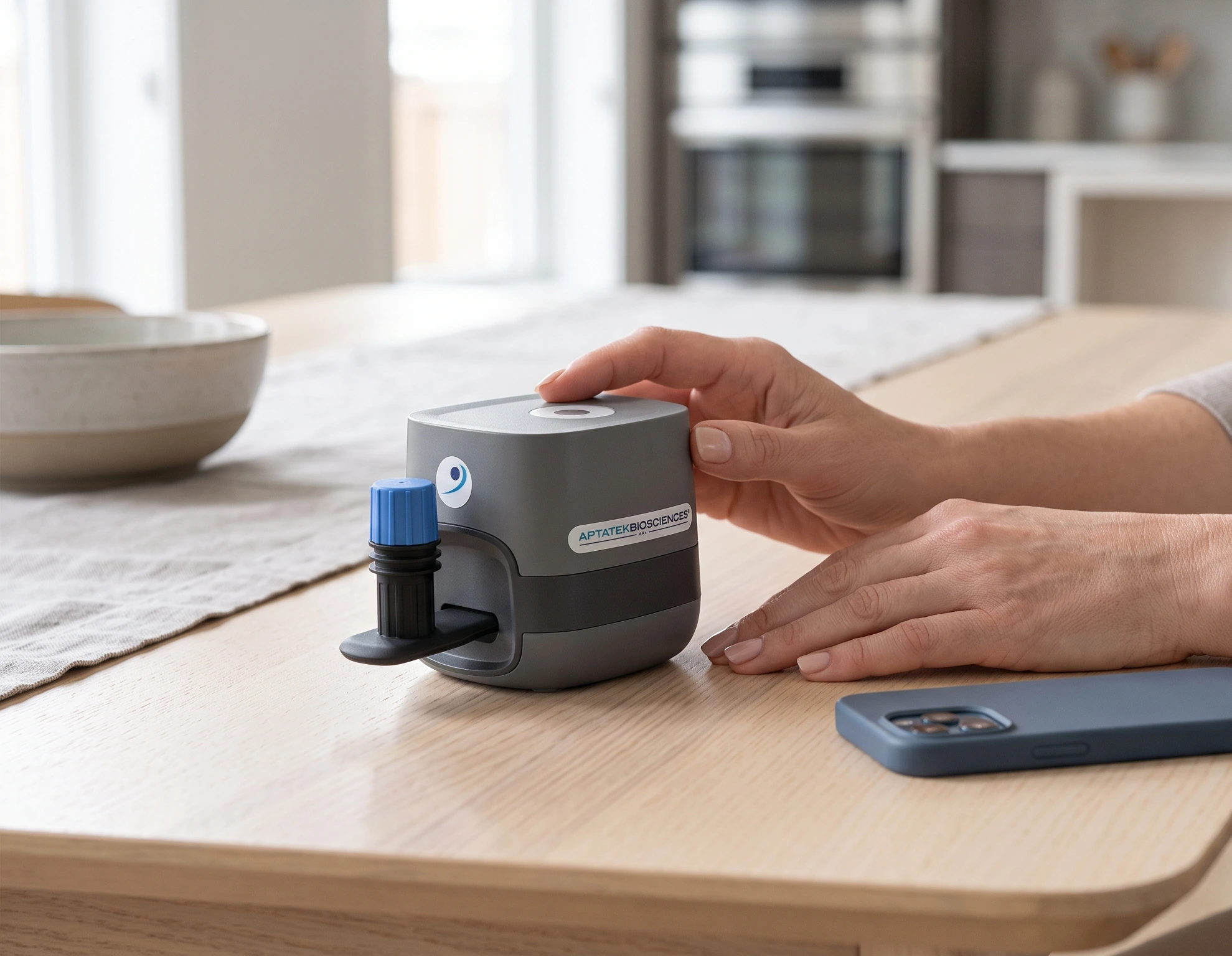
What is PKU?
PKU changes how the body processes phenylalanine
Phenylalanine is an essential amino acid found naturally in many foods containing protein. Most people break down Phe using an enzyme called phenylalanine hydroxylase, or PAH.
People with PKU have reduced or absent PAH activity. As a result, phenylalanine can build up in the blood and brain.
Without appropriate management, high Phe levels can affect the brain and nervous system. That’s why PKU is identified through newborn screening and managed throughout life.
A simple way to think about it
Why Phe levels matter
Managing PKU means managing Phe
The goal of PKU management is to keep blood Phe within the range recommended by an individual’s metabolic care team.
Phe levels can be influenced by diet, treatment, illness, growth, and other changes in the body. Regular monitoring helps patients and care teams understand Phe levels over time and make informed decisions about ongoing management.
What can affect Phe levels?
Diet & nutrition
Phenylalanine is found in protein-containing foods, making diet an important part of PKU management.
Treatment
Medication and other therapies can affect how an individual processes or manages Phe.
Growth & life stage
Nutritional needs and PKU management can change from infancy through adulthood.
Health & daily life
Illness and other physiological changes may also affect Phe levels.
Lifelong management
PKU care evolves throughout life
PKU is a lifelong condition. The way it is managed may change with age, treatment options, lifestyle, and individual needs — but understanding Phe levels remains an important part of care.
PKU changes throughout life. The need to understand Phe levels remains.
How PKU is managed
PKU management is highly individualized
A metabolic care team develops an individualized plan based on factors such as age, Phe levels, treatment response, nutritional needs, and lifestyle.
Management may include:
Dietary management
A Phe-restricted diet can help manage phenylalanine intake as part of an individualized care plan.
Medical foods
Specialized formulas and medical foods can support nutrition while helping manage phenylalanine intake.
Medication
Available therapies may help lower Phe or increase dietary Phe tolerance for eligible patients.
Regular monitoring
Blood Phe measurements help patients and care teams understand levels and trends over time.
How Phe is monitored today
Today, Phe monitoring usually depends on the laboratory
For many people with PKU, routine monitoring begins with a small blood sample collected at home or in a clinical setting.
With dried blood spot testing, blood is placed on specialized filter paper, dried, and sent to a laboratory for phenylalanine measurement.
The traditional monitoring pathway
Collect a blood sample
A fingerstick sample is collected onto a dried blood spot card.
Send the sample
The dried sample is transported or mailed to a laboratory.
Laboratory analysis
The laboratory measures the concentration of Phe in the sample.
Receive the result
The result is returned after the sample has been processed.
Laboratory testing remains an important part of PKU care. But because the result reflects Phe at the time the sample was collected, there can be a gap between when Phe is measured and when that information becomes available.
PKU management happens every day. Phe measurement happens at moments in time.
The future of Phe monitoring
Bringing Phe monitoring closer to home
Advances in diagnostics are creating the possibility of bringing measurements that traditionally require centralized laboratory testing closer to patients.
Aptatek is developing PheCheck, an investigational home phenylalanine monitoring system designed to provide quantitative Phe results from a fingerstick sample in minutes.
Learn About PheCheck™PheCheck™ is an investigational device currently in clinical study. It has not been cleared or approved by the FDA and is not available for sale.

PKU resources
Learn more about PKU
Explore trusted resources for education, clinical information, and community support.
National PKU Alliance
Education, advocacy, community programs, and resources for people and families affected by PKU.
Visit the National PKU Alliance →GeneReviews —
PAH Deficiency
Clinical information about the diagnosis, genetics, management, and lifelong care of PAH deficiency.
American College of Medical Genetics and Genomics
Clinical guidance for the diagnosis and management of phenylalanine hydroxylase deficiency.
View Clinical Guidelines →